

Erthygl: The Spirit of Wales: The Legend and Legacy of St David’s Day
The Spirit of Wales: The Legend and Legacy of St David’s Day
Every March 1st, the streets of Wales transform into a sea of vibrant yellow and green. Children head to school in traditional woollen cloaks and flat caps, daffodils are pinned to lapels, and the savory scent of Cawl fills the air.
While it’s a day of national pride and celebration, the story behind our patron saint is one rooted in humility, discipline, and a very famous miracle. If you’ve ever wondered why we celebrate Dewi Sant, or why we wear leeks on our clothes, here is the history behind the most patriotic day in the Welsh calendar.
Who was Saint David?
Unlike many saints whose lives are shrouded in complete mystery, we know a fair amount about David—or Dewi Sant in Welsh. Born around the year 500 AD, he was the son of Non (herself a saint) and Sandde, a Prince of Ceredigion.
David became a renowned preacher and the founder of several monasteries across Wales and even Brittany. He wasn't one for luxury; he founded a strict ascetic order where the monks worked the land by hand—pulling the ploughs themselves without the help of oxen—and lived on a diet of bread, herbs, and water. This earned him the nickname Dewi Ddyfrwr (David the Waterman).
The Miracle at Llanddewi Brefi
The most famous legend associated with David took place during the Synod of Brefi. A massive crowd had gathered to hear him speak, but those at the back complained they couldn't see or hear him.
As David began to preach, the ground beneath his feet is said to have risen up to form a small hill, allowing everyone a clear view. A white dove—a symbol of the Holy Spirit—settled on his shoulder, marking him as a man of divine grace. Today, the village of Llanddewi Brefi stands on that very spot.
Leeks and Daffodils: The Symbols of a Saint
You can't have St David’s Day without the greenery! But why these two specifically?
-
The Leek: Legend has it that during a battle against the Saxons, David advised the Welsh soldiers to wear leeks in their caps to distinguish themselves from the enemy. They won the battle, and the leek became a symbol of Welsh survival.
-
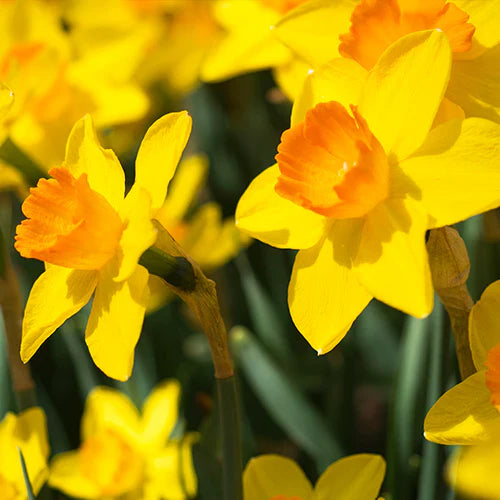
The Daffodil: A much later addition, the daffodil gained popularity in the 19th century and was championed by David Lloyd George. It conveniently blooms right around March 1st and is much easier on the nose than a raw onion!
"Do the Little Things"
David’s final sermon to his followers contained a phrase that has become the unofficial motto of Wales:
"Be joyful, keep the faith, and do the little things (Gwnewch y pethau bychain) which you have heard and seen me do."
It’s a beautiful sentiment that still resonates today. St David’s Day isn't just about grand parades; it’s about community, kindness, and celebrating the unique culture that makes Wales home.










Gadewch sylw
This site is protected by hCaptcha and the hCaptcha Privacy Policy and Terms of Service apply.